

Play-based wellbeing, validated.
Two independent studies. Measurable improvements across happiness, energy, autonomy and social connection, for kids and for adults.
Play-Based Wellbeing: The Evidence
Compiled with La Trobe University and partner schools. The full research summary, with methodology, sample sizes and citations.
Co-authored with La Trobe University researchers and Todd Gibson. Methodology and conflict-of-interest declarations included in the report.
Read the published article →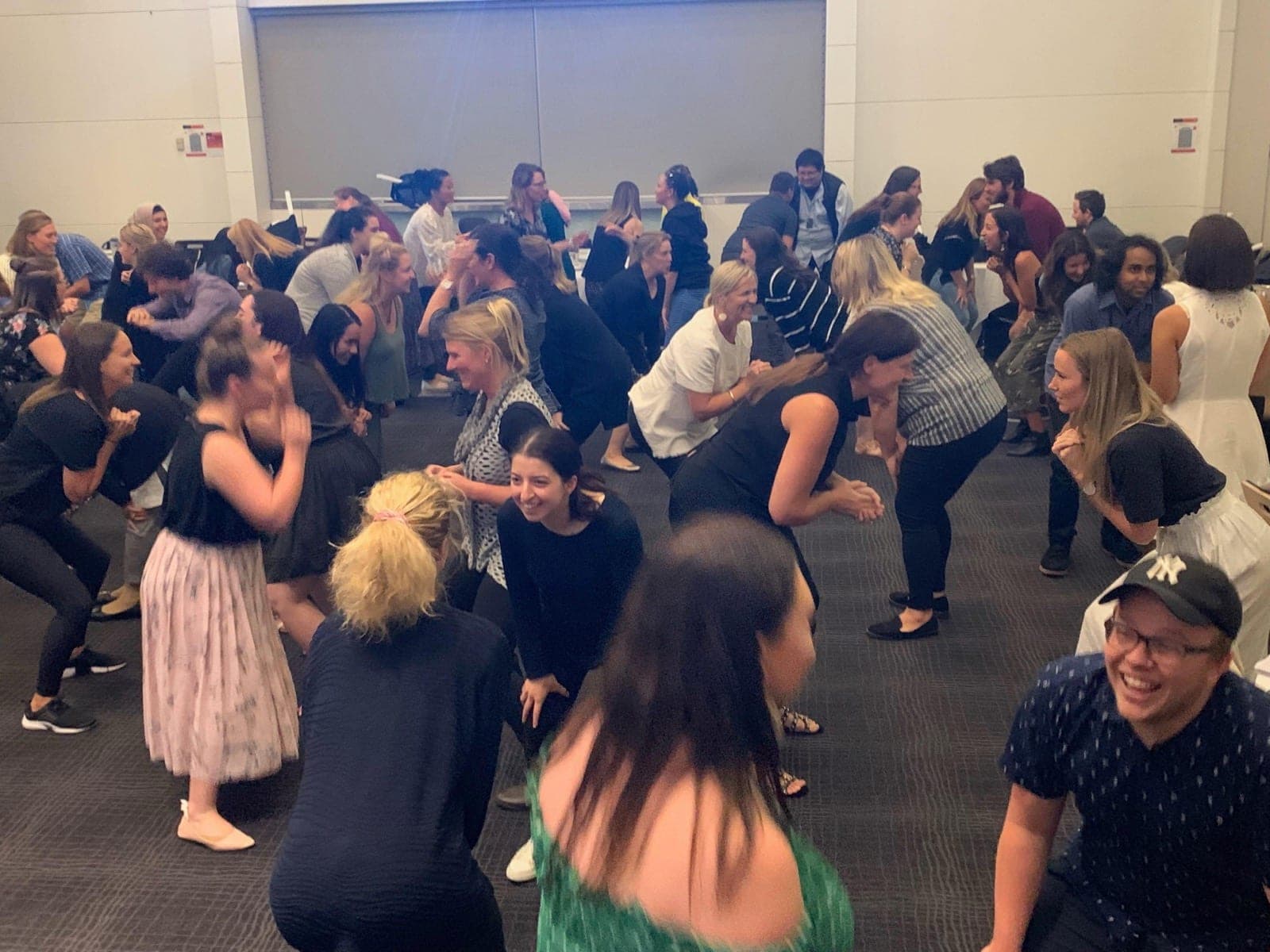
Adult FunShop results, self-reported by participants.
1,200+ participants. One consistent finding.
Two independent studies. Measurable improvements across happiness, energy, autonomy and social connection, for kids and for adults.
La Trobe University, Year-long curriculum study
A year-long investigation tracking the impact of the School of Play curriculum across primary and secondary schools.
All Work and No Play, Adult wellbeing study
A structured play program by Todd Gibson and Dale Sidebottom measured wellbeing change after one-hour sessions.
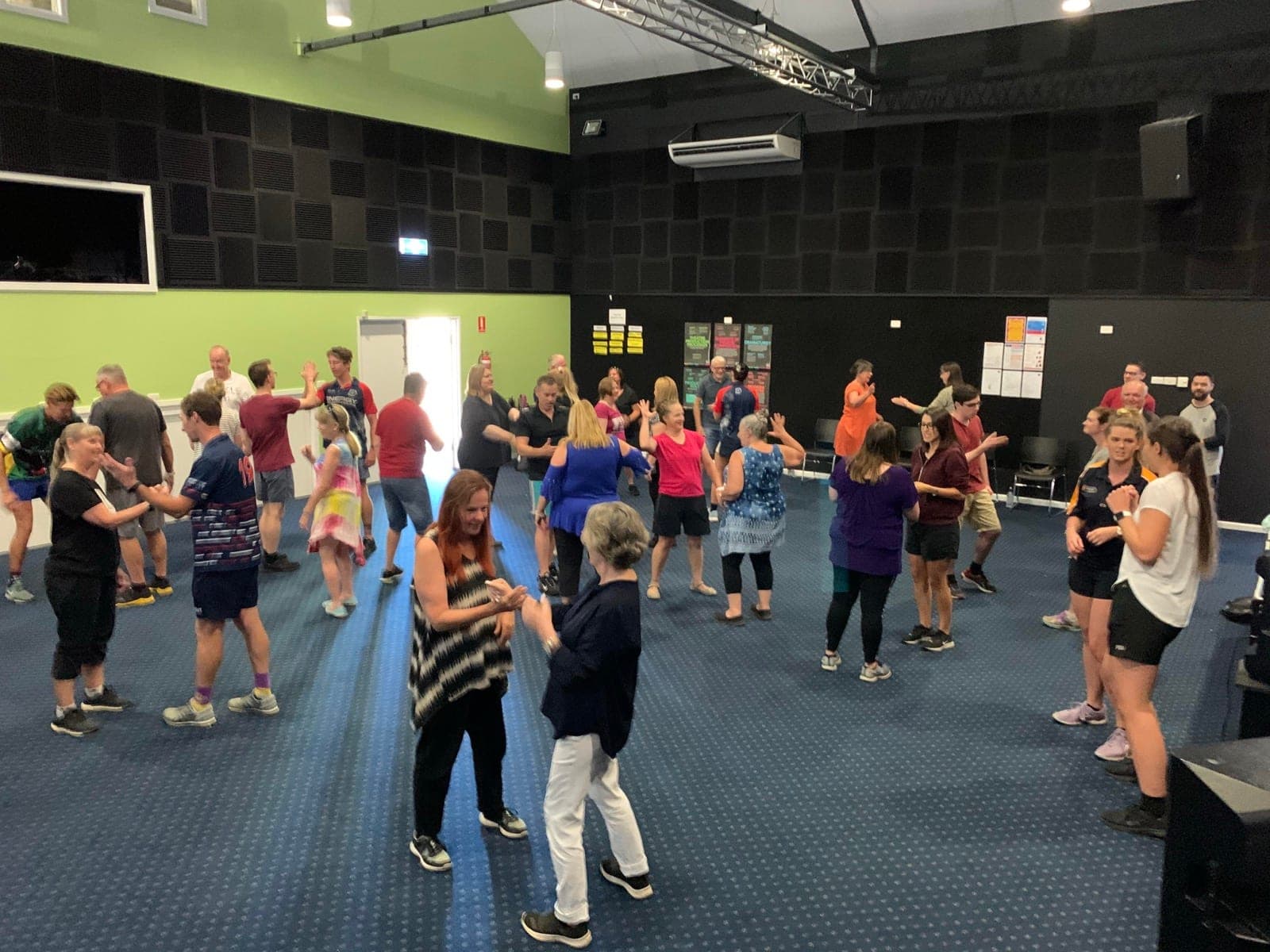
When play is part of the system, not just a break from it, the outcomes follow.
The studies are the proof. The partner schools are the story.
Outside the formal research, schools and early learning centres across the region have built long-running partnerships with us. Three of them, below, illustrate what an embedded play culture looks like in practice.
Mossgiel Park Primary
How Mossgiel Park Primary became a whole-school play culture. Three years of consistent practice, staff buy-in from day one, and a principal who made play a non-negotiable part of every week.
- ↗Whole-school implementation
- ↗3 years of embedded play culture
- ↗Staff and student wellbeing improvements
- ↗Led by Principal Lynn Ordish
Clyde Creek Primary
How Clyde Creek Primary embedded play, exercise, gratitude and giving into every corner of school life, and what the data looked like when they did.
- ↗Play embedded across all year levels
- ↗Exercise, gratitude and giving integrated
- ↗Measurable student wellbeing outcomes
- ↗Whole-school culture shift
Precious Cargo Woodville Park
How a kindergarten room used the School of Play Curriculum to build confidence, communication and connection in their youngest learners, in the educators' own words.
- ↗Early learning centre partnership
- ↗Growing confidence and communication
- ↗Greater peer connection and independence
- ↗Told by the educator team
These are partnership descriptions, not measured research outcomes. For peer-reviewable wellbeing measurements see the two formal studies above.
Open methodology, repeatable process.
Both studies follow the same independent process, pre-study baseline, structured intervention, post-study measurement, third-party analysis.
Baseline
Anonymous wellbeing survey across all participants. Capture starting state across multiple validated measures.
Structured intervention
PEGG framework introduced for a defined window, daily 5-minute rituals plus weekly longer activities.
Post-study survey
Identical measures repeated. Anonymous self-report plus teacher and parent observational data.
Third-party analysis
La Trobe University researchers analyse and publish, no editorial influence from The School of Play.
Outcomes that show up everywhere we measure.
Our research demonstrates structured play's capacity to meaningfully improve wellbeing across diverse age groups, communities and contexts.
Partner with our research.
Universities, education departments and independent researchers, we welcome collaboration on longitudinal play-based wellbeing studies.
Start a conversation →One published. One in peer review.
Our two full-year studies with La Trobe University: the adult FunShops study is peer-reviewed and published in the Journal of Play in Adulthood. The student agency and leadership study is in peer review now.
Adult FunShops: play-based professional development
A full-year study of our FunShops professional development for adults, measuring change in wellbeing, energy and social connection across the whole workforce.
Student agency & leadership through play
A full-year study of our student agency and leadership program, tracking autonomy, confidence and engagement as play became part of the school week.
Common questions from researchers and reviewers.
Can't find what you're looking for? Drop us a line and we'll get back to you within one business day.
Real answers, real humans. No bots, no run-arounds.
01Who funded the research?
The 2024 La Trobe University study was conducted independently. The 2023 adult wellbeing study was led by Todd Gibson and Dale Sidebottom. Funding sources, conflict-of-interest declarations and methodology are in each study report.
02Can I cite this in my own research?
Yes. The published study is open access. Email support@theschoolofplay.co for citation guidance and we'll send you the full methodology and supporting materials.
03Is the research peer-reviewed?
Partly. The full-year La Trobe University study of Adult FunShops professional development is peer-reviewed and published in the Journal of Play in Adulthood; the article is open access and linked in the Published Work section above. The student agency & leadership study is in peer review now. The earlier adult wellbeing study has been published in conference proceedings.
04Can my school participate in future research?
Yes, we're always looking for partner schools to participate in longitudinal studies. Get in touch and we'll tell you what's currently in the field.
Bring it to your context.
Pair the research with the program. Curriculum for schools, leadership workshops for teams, and a free app for families. The research is real, the play is the part you'll remember.