

Less Punishment. More Play. Better Behaviour.
Punishment puts a child's brain into survival mode. Play does the opposite. Here's why "connection before correction" changes behaviour for longer than any consequence, at home and in the classroom.
There were moments with my son where my first instinct was to correct the behaviour.
*"Stop that."* *"Enough."* *"Why would you do that?"*
Sometimes it worked for a minute. The behaviour stopped, but I couldn't always say the lesson had landed. What I've learned, both as a dad and through years of working with schools, is that children don't always need a bigger consequence. They just need a better opportunity to practise kindness, patience, or the skill they're still learning.
What the science says about punishment
The research backs this up. Punishment triggers a stress response that puts the brain into survival mode, making it harder to reflect and regulate. In that state, a child isn't weighing up their choices, they're bracing. The behaviour might pause, but the learning rarely sticks.
Play does the opposite. It supports self-regulation and gives children a safe way to practise communication and emotional control. Instead of shutting the nervous system down, it opens a window where a child can actually take something in.
The pause that changes everything
Now, I try to pause before I react. Sometimes that means getting down to his level, bringing a little bit of play into the moment, and helping him work through what's happening instead of simply shutting the behaviour down.
It's a small shift, but it reframes the whole exchange. The goal stops being "make the behaviour stop right now" and becomes "help this child build the skill they're missing". One buys you a quiet minute. The other builds capability that shows up next week, and the week after.
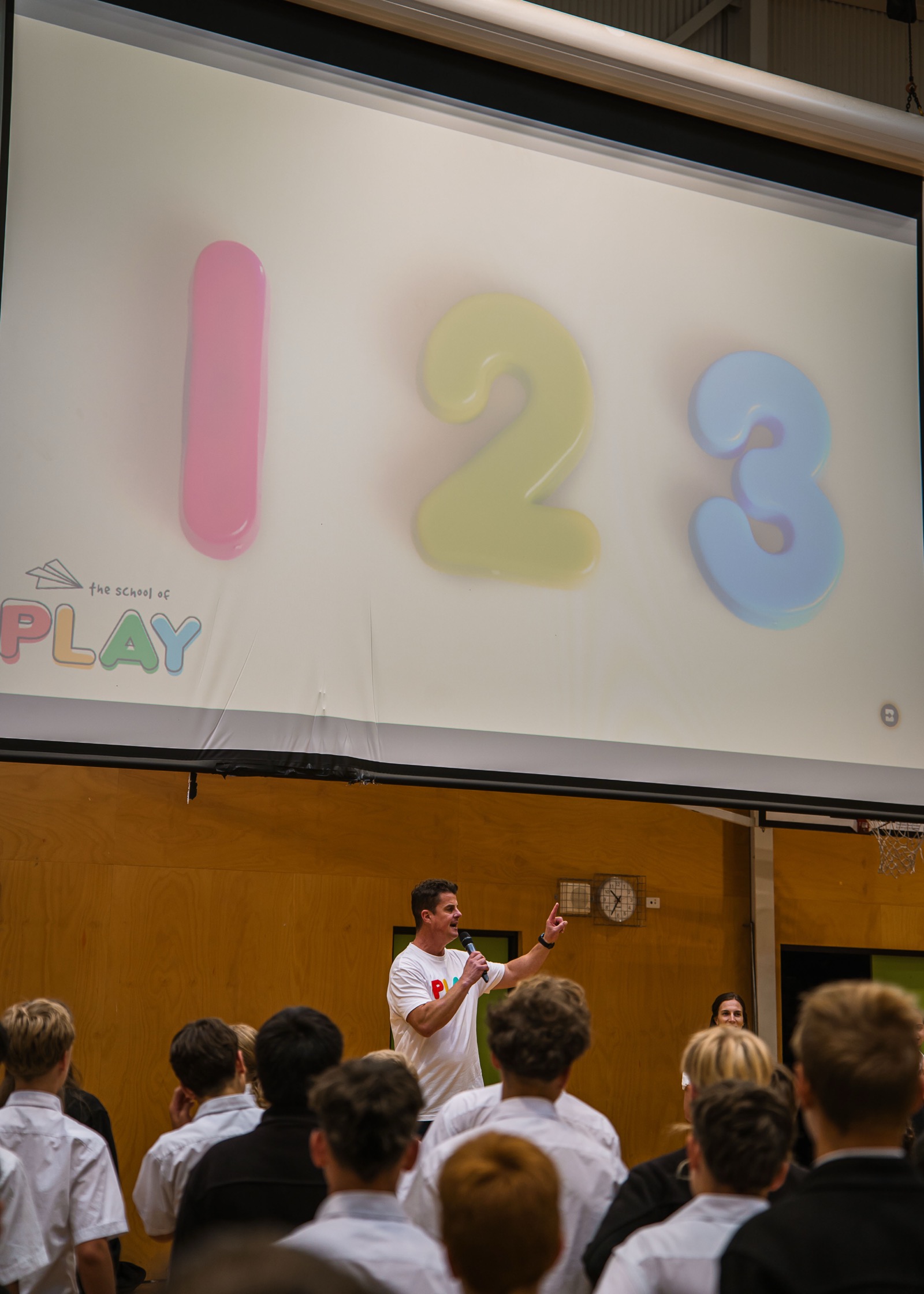
Faster, calmer transitions
A huge amount of classroom friction lives in the in-between moments, lining up, packing away, moving from the mat to the desks. Those transitions are where behaviour wobbles and where most "correction" gets spent.
Try the Two-Minute Rule: any transition should take no longer than two minutes, and you turn it into a game rather than a battle. A quick countdown challenge, a silent-as-a-ninja walk, a movement break to reset the energy before the next task. It sounds small, but reclaiming those minutes calms the whole room. For a library of quick, teacher-tested resets you can run in seconds, ClassBreak has more than a thousand of them.
Browse quick resets on ClassBreakBringing it into the classroom
- Pause before the consequence, name what you're seeing ("you look frustrated") before you respond to it.
- Get to their level, physically lowering yourself changes the dynamic from confrontation to connection.
- Offer a playful reset, a quick brain break or movement game can shift a dysregulated room faster than a raised voice.
- Coach the skill, once everyone is calm, rehearse the better choice together rather than just labelling the wrong one.
- Keep the boundary, connection and clear limits aren't opposites; the limit holds, the delivery changes.
Growing kindness through play
The same logic, capability over compliance, sits at the heart of The Better Us Project. Its app KoalaPop (for ages 5–12) helps children build habits like kindness, gratitude and emotional regulation through gameplay, with no ads and no punitive design. Behaviour grows because children are practising the skill, not because they're afraid of the consequence.
Explore The Better Us Project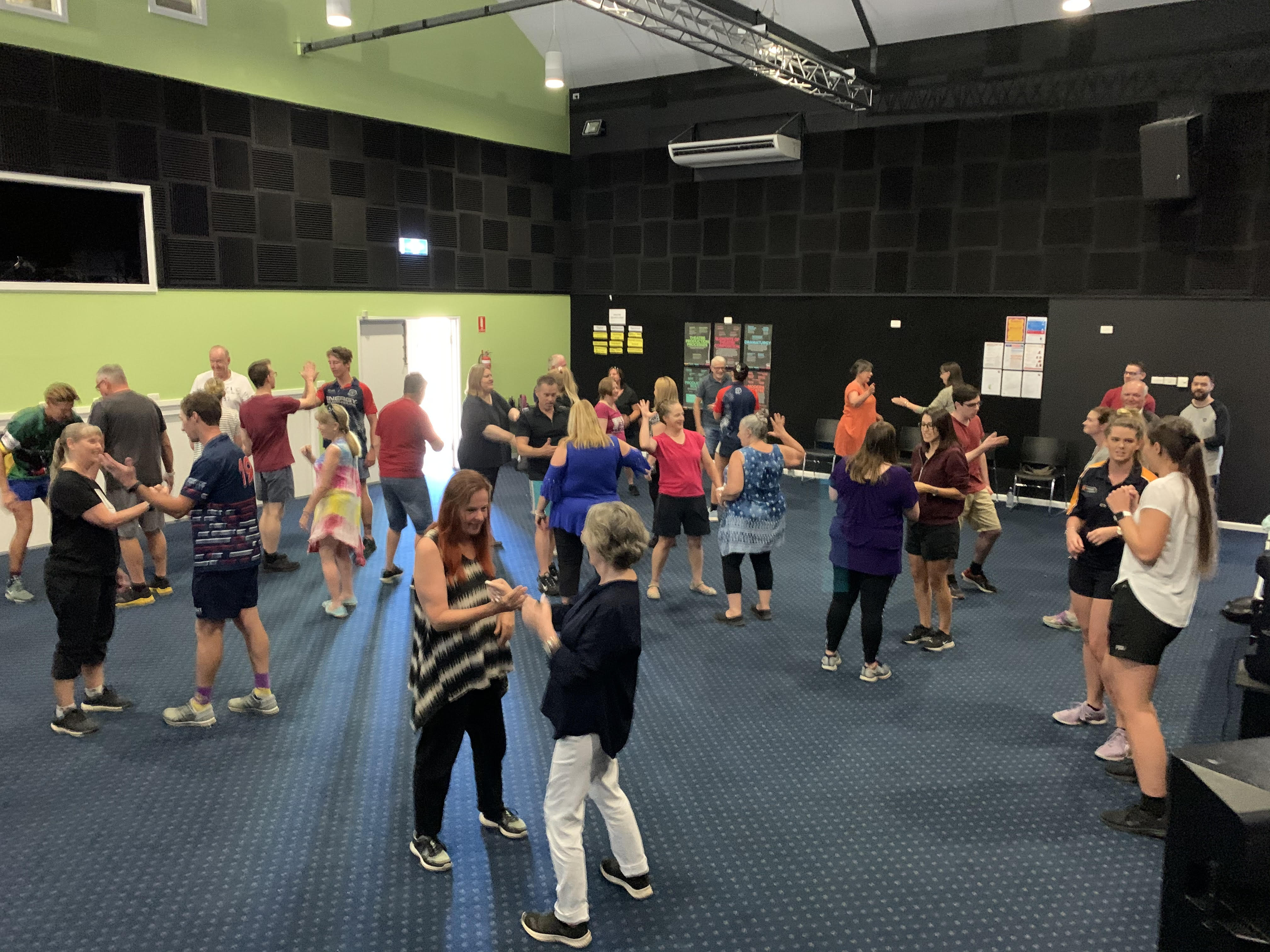
Game of the week: Conflict Harmony Bridge
Here's a simple way to rehearse better choices when calm. In Conflict Harmony Bridge, students role-play a small conflict scenario, then pause and work together to find a better way forward *before* acting the situation out again. It turns a flashpoint into a rehearsal, exactly the kind of low-stakes practice that builds real regulation skills.
This is the same approach to behaviour management we explore right through the curriculum and inside The Academy, one that replaces fear with curiosity, compliance with capability, and punishment with play.
Explore play-based behaviour in The AcademyHave a great week ahead, and don't forget to create a little space for play somewhere in it. Stay amazing, Dale & Paul, The School of Play
Branded PDF: Less Punishment. More Play. Better Behaviour.
A printable 2-page summary with the key takeaways. Perfect for staffroom walls, fridge doors, or the back of a planner.
We Measure Everything in Schools. Except the Thing That Matters Most.
Reading, writing, numeracy, attendance: we could tell you how every student was tracking. How they were actually feeling? We only found out when the phone rang. This is the story of how that changed, and why Term 4 is on us.
What 600 Schools in 25 Countries Taught Me About Student Wellbeing
Ten years. Six hundred schools. Twenty-five countries. Every single one cared deeply about wellbeing, and every single one was getting it wrong the same way. Here is the crack I kept seeing, and the data that finally proved the fix.
Why play belongs in every wellbeing strategy
After two decades in schools and twenty more research papers, the answer is clear, but the way we deliver it has to change. Here's why play is no longer optional.