

How to Go From Overwhelm to Flow (it starts smaller than you think)
When life and work feel full, the instinct is to push harder. Research points to something far more effective: the CRATE + Playful Flow framework, and it starts with a tiny shift.
How often do you tell yourself to just push through? When life and work feel full, the instinct is usually to tighten up, work harder, squeeze more in, and hope the stress eventually passes.
Overwhelm happens when attention becomes fragmented, demands outweigh capacity, and our nervous system spends too long in reaction mode. What's interesting is that the opposite of overwhelm isn't rest alone. Research points us toward something deeper: flow.
Flow is that state where attention settles, time feels lighter, and we become fully engaged in what we're doing. A tiny shift that tells the brain: *you are safe, capable, and allowed to enjoy this moment.*
5 Brain Break Ideas That Are Actually Backed by Science
Adding more instruction rarely creates better learning. The nervous system needs a reset before the brain can re-engage. Inside this article you'll discover why some movement breaks genuinely improve focus while others simply fill time.
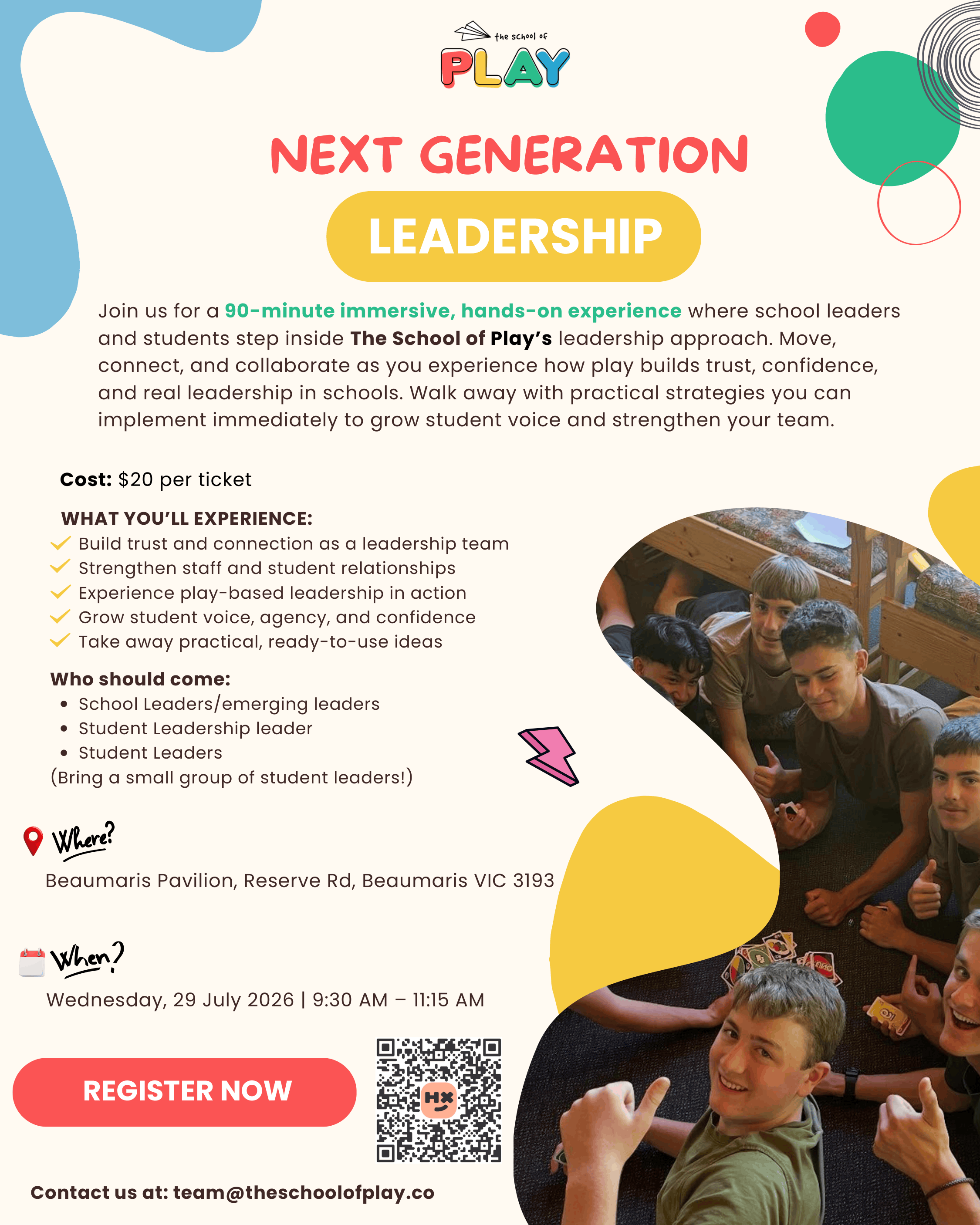
Create leaders by creating the conditions where they emerge
When students don't know exactly what the goal is or what role they play, they don't step forward with confidence. The Next Generation Leadership Experience changes that. Students are placed into fast-moving, real-world style challenges where goals are simple, but not scripted.
There are no assigned "leaders" and no fixed roles. Instead, students must navigate communication, listening, adaptation, and contribution in real time. Clarity returns, so does participation. And when participation returns, leadership stops being taught and starts being lived.
- 📍 Location: Beaumaris Pavilion
- 📅 Date: 29 July 2026
- 🕘 Time: 9:30 AM – 11:15 AM
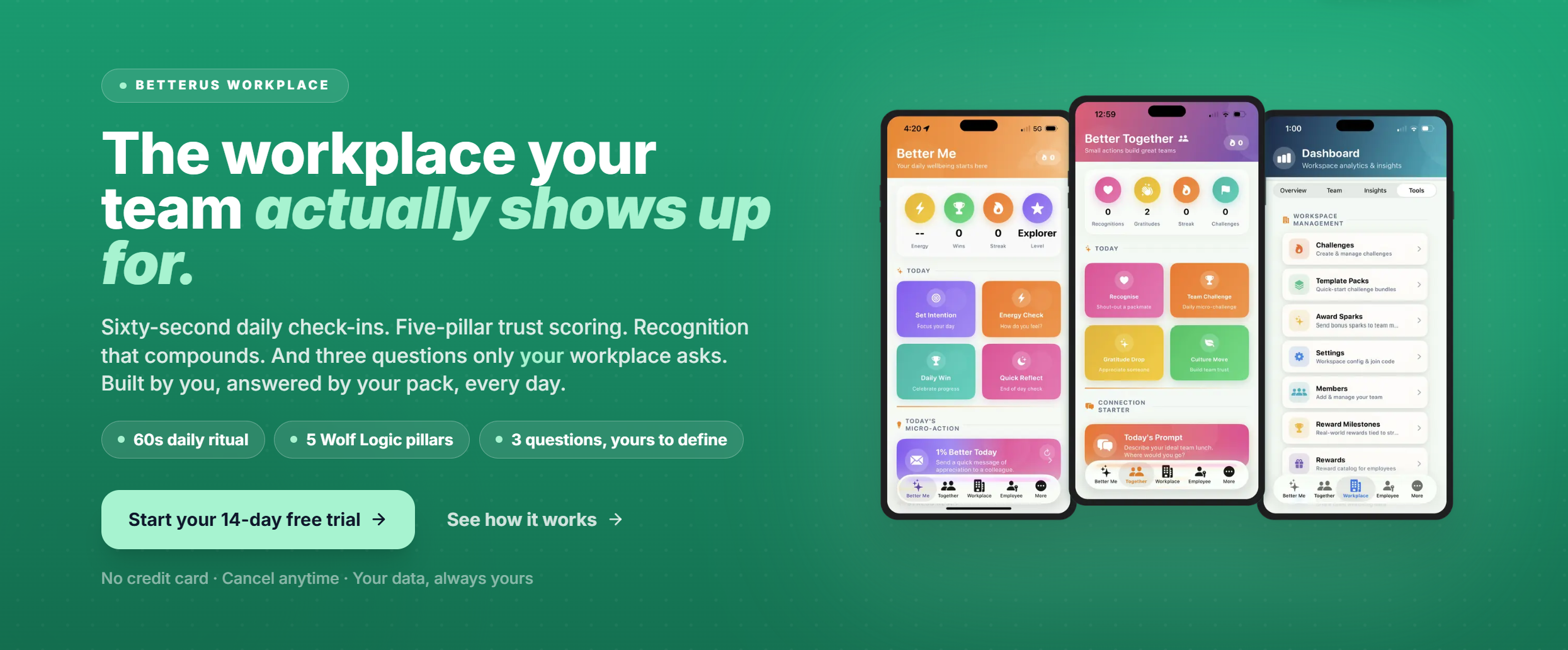
When everyone is busy, who checks in on the teachers?
Are you the colleague who says they're "fine" but is running on empty? Or do you know a team member quietly losing confidence? The workplace is a busy place, and nobody really knows how people are doing.
With The Better Us Project, team members check in across five wellbeing pillars in just 60 seconds a day, creating a simple rhythm of awareness, reflection, and connection. Leaders gain access to real-time team signals, while individuals maintain privacy and ownership of their personal responses.
Start your free trialCreative Usage, the game that breaks cognitive rigidity
When stress builds, thinking narrows. People stop seeing options, default to familiar responses, and creativity drops away. This is cognitive rigidity, one of the fastest barriers to flow.
Creative Usage interrupts that stuck state with humour. It moves staff from "I can't think of anything" into curiosity and flexible ideas, and it takes less than five minutes.
To play: collect a range of random objects. Put participants into small groups and give each group one object. Their challenge is to demonstrate an *alternative use* for it. A basketball might become a pillow. A chair might become a lawnmower. The fun is in the rest of the group guessing what the object has been turned into. You'll notice a shift from hesitation to laughter, then rapid idea overflow. That's the goal.
Looking for more play-based tools like this? Visit ClassBreak for 1,000+ teacher-tested games, warm-ups and full-class challenges, all under 10 minutes.
Browse 1,000+ games on ClassBreakCaitlin McMahon & Chanel Morrison, The Importance of Spiritual Wellbeing
A lot of overwhelm stems from doing things without a clear sense of *why they matter*. When that happens, even simple tasks start to feel draining because they're no longer anchored to meaning or personal values. This shows up as a flow deficit, and here, spiritual wellbeing becomes relevant in a very practical sense.
In this course, Caitlin and Chanel unpack what it means to reconnect with purpose and values in a way that supports real-world wellbeing. It focuses on helping educators and leaders recognise when they are acting from alignment, and when they are being pulled into stress responses that fragment attention and energy.
After completion, clarity returns and overwhelm reduces. It will reorganise you to be more stable, more grounded, and more purposeful. Sustainable flow begins.
Culture is lived every day, Keilor Views Primary School
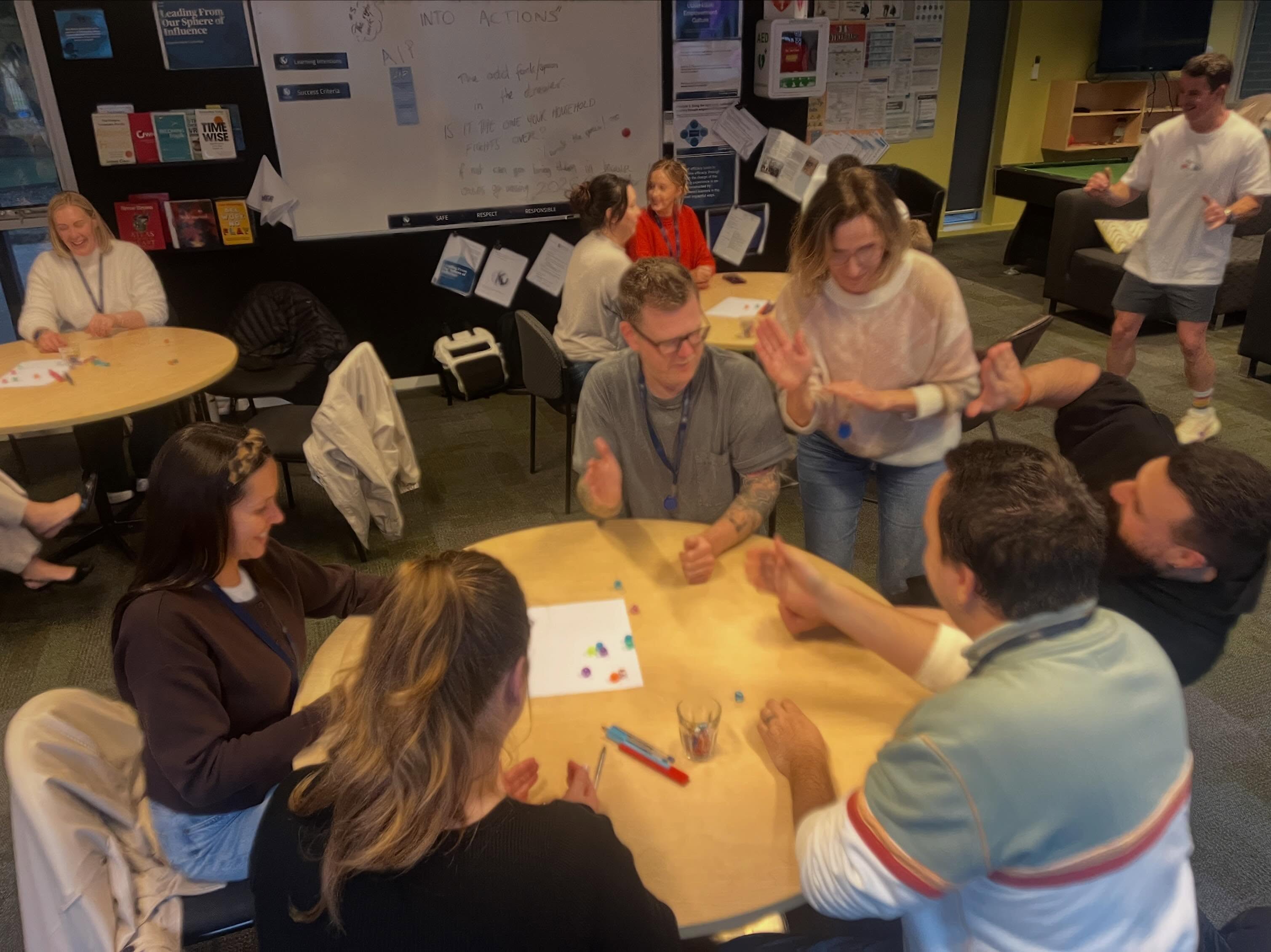
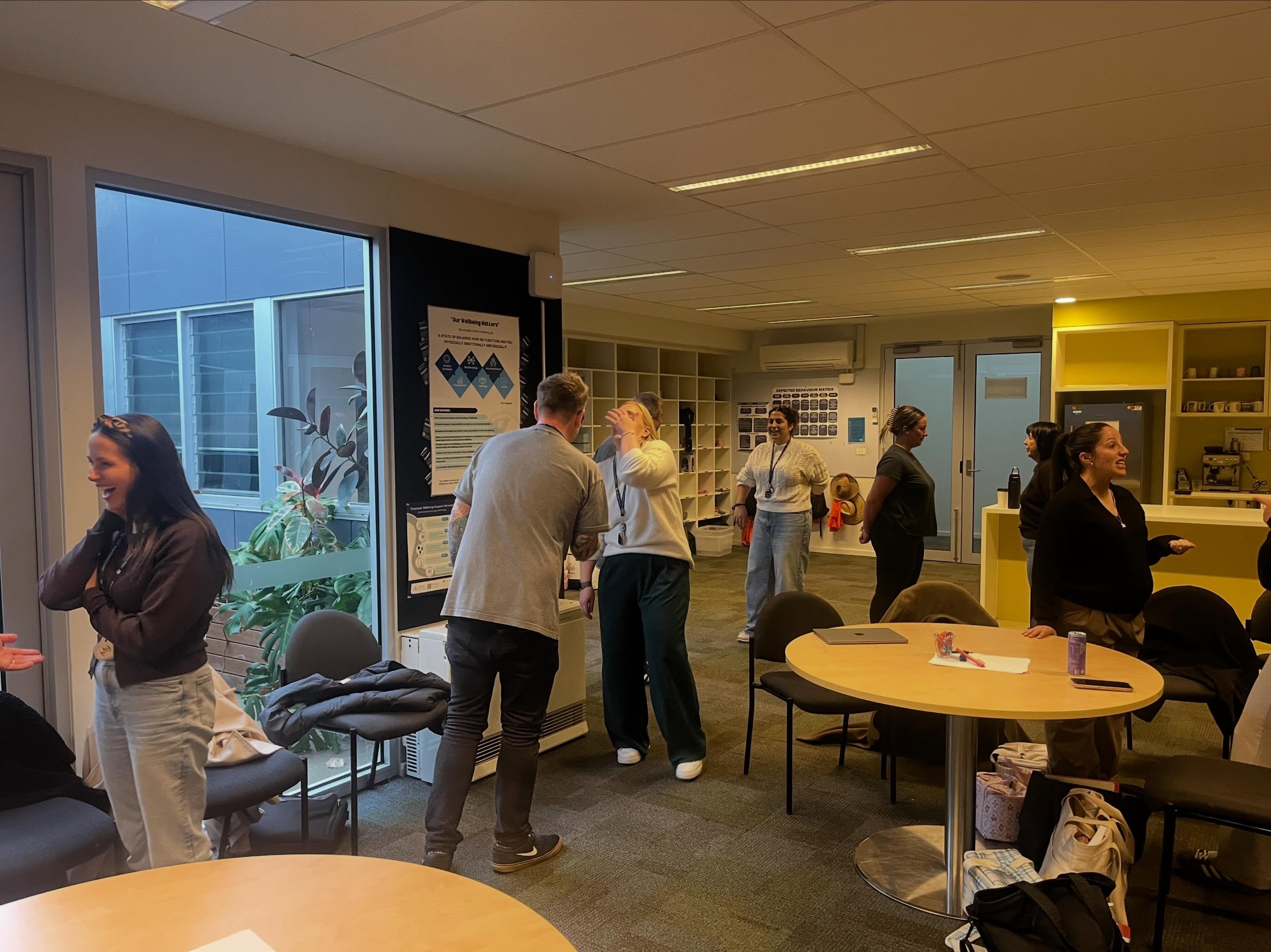
This day was one of those afternoons that stays with you. We had the absolute pleasure of running a staff FunShop with the incredible team at Keilor Views Primary School, led by Matt Borg.
What stands out about this school isn't just the energy in the room. It's what they've intentionally built into their everyday rhythm: every class starts the day with 20 minutes of dedicated play. No rush. No pressure. Just space to connect, reset, and begin the day with energy and joy.
You feel it immediately. The atmosphere is different. The staff are present. The students are engaged. There's a genuine sense of belonging running through the whole school.
Join us on this global journey of joy and connection! If you want to bring The School of Play to your community, we'd love to hear from you.
Bring The School of Play to your communityHave a great week ahead, and don't forget to create a little space for play somewhere in it. Stay amazing., Dale & Paul, The School of Play
Branded PDF: How to Go From Overwhelm to Flow (it starts smaller than you think)
A printable 2-page summary with the key takeaways. Perfect for staffroom walls, fridge doors, or the back of a planner.
Five gratitude rituals you can run tomorrow
Five tested practices for classrooms and families. Each takes under 5 minutes. None need a budget. Pick one and watch what shifts.
Why play is not the opposite of work
The opposite of work isn't play. It's depression. Reframing this single belief changes how teams perform.
The case for unstructured time, the most underrated wellbeing tool
We schedule everything: homework, sport, tutoring, screen time, playdates. The one thing missing from most family and school timetables is the thing children need most.